Hemp Seed Oil vs Olive Oil: Which Is Better for Cooking and Health?
Last updated: September 22, 2026
Hemp seed oil and olive oil are both celebrated for their health benefits, but they are fundamentally different ingredients. One is a cold-pressed nutritional oil best used raw; the other is a versatile cooking staple with centuries of culinary tradition. This comparison covers nutrition, cooking, taste, shelf life, and which one to choose — whether you are a home cook or a food manufacturer.
Hemp seed oil and olive oil are both nutritious cold-pressed oils, but they serve different purposes. Hemp seed oil has a superior omega-3 to omega-6 ratio (3:1) and a nutty, earthy flavour best used cold — in dressings, dips, and smoothies. Olive oil is higher in omega-9 and has a higher smoke point (375-410°F / 190-210°C), making it suitable for light cooking and sautéing. For raw applications where omega-3 content matters, hemp seed oil is the better choice. For cooking at moderate heat, olive oil wins.

Hemp Seed Oil: A Cold-Pressed Nutritional Powerhouse
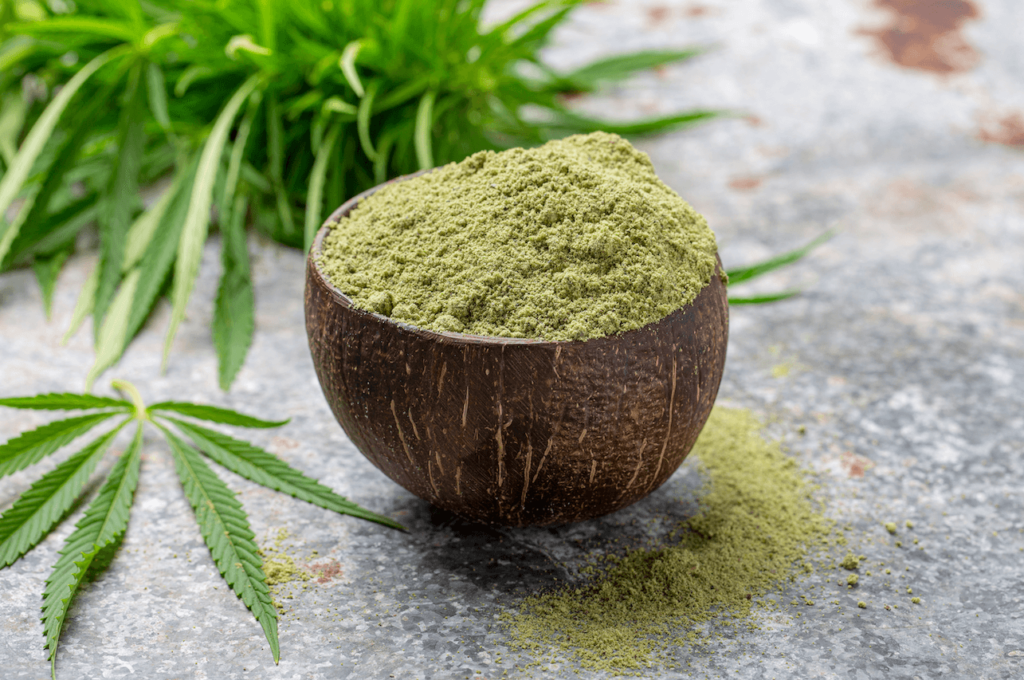
You take hemp seeds, cold-press them, and what comes out is a deep green oil with a nutty, earthy flavour. It is completely different from CBD oil — hemp seed oil comes exclusively from the seeds and contains only trace amounts of cannabinoids, well below the EU limit of 3 mg/kg. Its fatty acid profile is surprisingly well balanced, something you do not see in many plant oils.
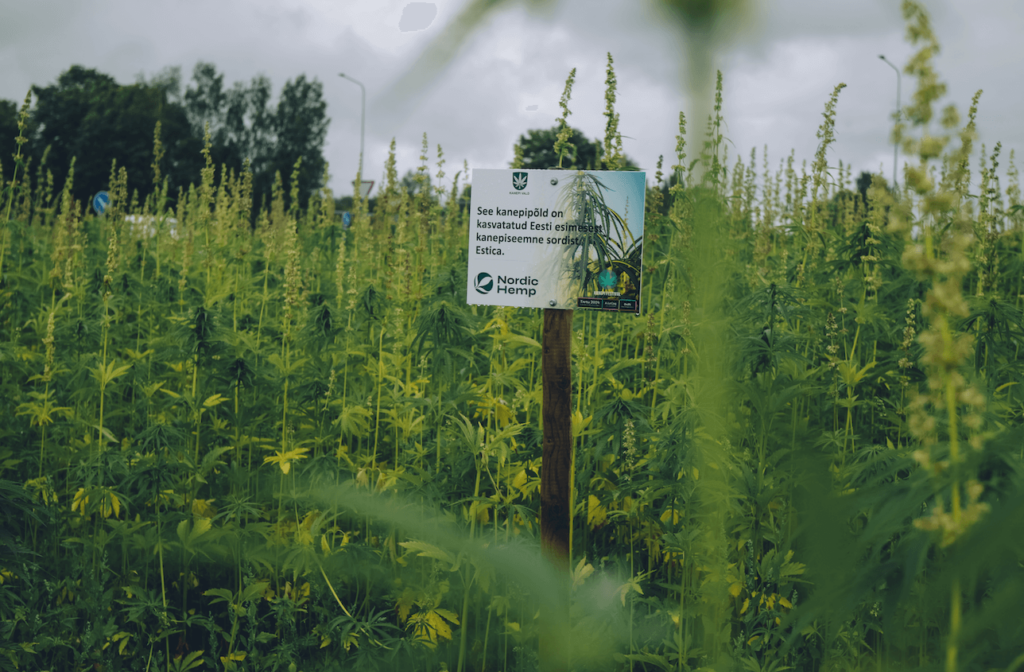
Nordic Hemp grows EU-certified hemp varieties on over 5,000 hectares of Estonian farmland and cold-presses the oil on site. It is EU Organic certified, processed in a BRCGS-certified facility, and regularly tested for quality and purity.
Olive Oil: A Mediterranean Staple
Olive oil has been around for thousands of years, and for good reason. Press whole olives, and you get a fat that works in almost everything. The highest grade — extra virgin — is cold-pressed without heat or chemicals, keeping its natural flavour and nutrients intact. It is rich in monounsaturated fats (omega-9), especially oleic acid, and packed with antioxidants like polyphenols.
Hemp Seed Oil vs Olive Oil: Nutrition Comparison
| Nutrient (per 100ml) | Hemp Seed Oil | Olive Oil (Extra Virgin) |
|---|---|---|
| Total fat | ~100 g | ~100 g |
| Saturated fat | ~9 g | ~14 g |
| Monounsaturated (omega-9) | ~12 g | ~73 g |
| Polyunsaturated (omega-3 + omega-6) | ~79 g | ~11 g |
| Omega-3 (ALA) | ~20 g | ~0.8 g |
| Omega-6 (LA) | ~57 g | ~10 g |
| Omega-3:6 ratio | 3:1 | ~1:13 |
| Vitamin E | ~50 mg | ~14 mg |
| Smoke point | ~330°F / 165°C | ~375-410°F / 190-210°C |
What really sets them apart? The fatty acid profile. Hemp seed oil has a near-perfect 3:1 omega-3 to omega-6 ratio — one of the most balanced among all plant oils. Olive oil, on the other hand, is rich in omega-9 but contains very little omega-3. If you want to increase your omega-3 intake, hemp seed oil is the better option.
Which Oil Has a Better Omega-3 to Omega-6 Ratio?
That 3:1 ratio puts hemp seed oil in a league of its own. It is widely considered optimal for human health. The typical Western diet? Heavily skewed toward omega-6, with ratios of 15:1 or higher. That contributes to inflammation. Olive oil is low in omega-3 and high in omega-9 — a non-essential fatty acid the body can produce on its own.
This matters for food manufacturers. Products made with hemp seed oil can carry a genuine omega-3 positioning that olive oil cannot match. Think salad dressings, dips, plant-based sauces, and functional foods — anywhere nutritional claims drive purchasing decisions.
Can You Cook With Hemp Seed Oil?
Not really. Its smoke point (~330°F / 165°C) is lower than olive oil (375-410°F / 190-210°C). High heat degrades its delicate fatty acids and creates a bitter taste. Skip frying, sauteing, or roasting with it.
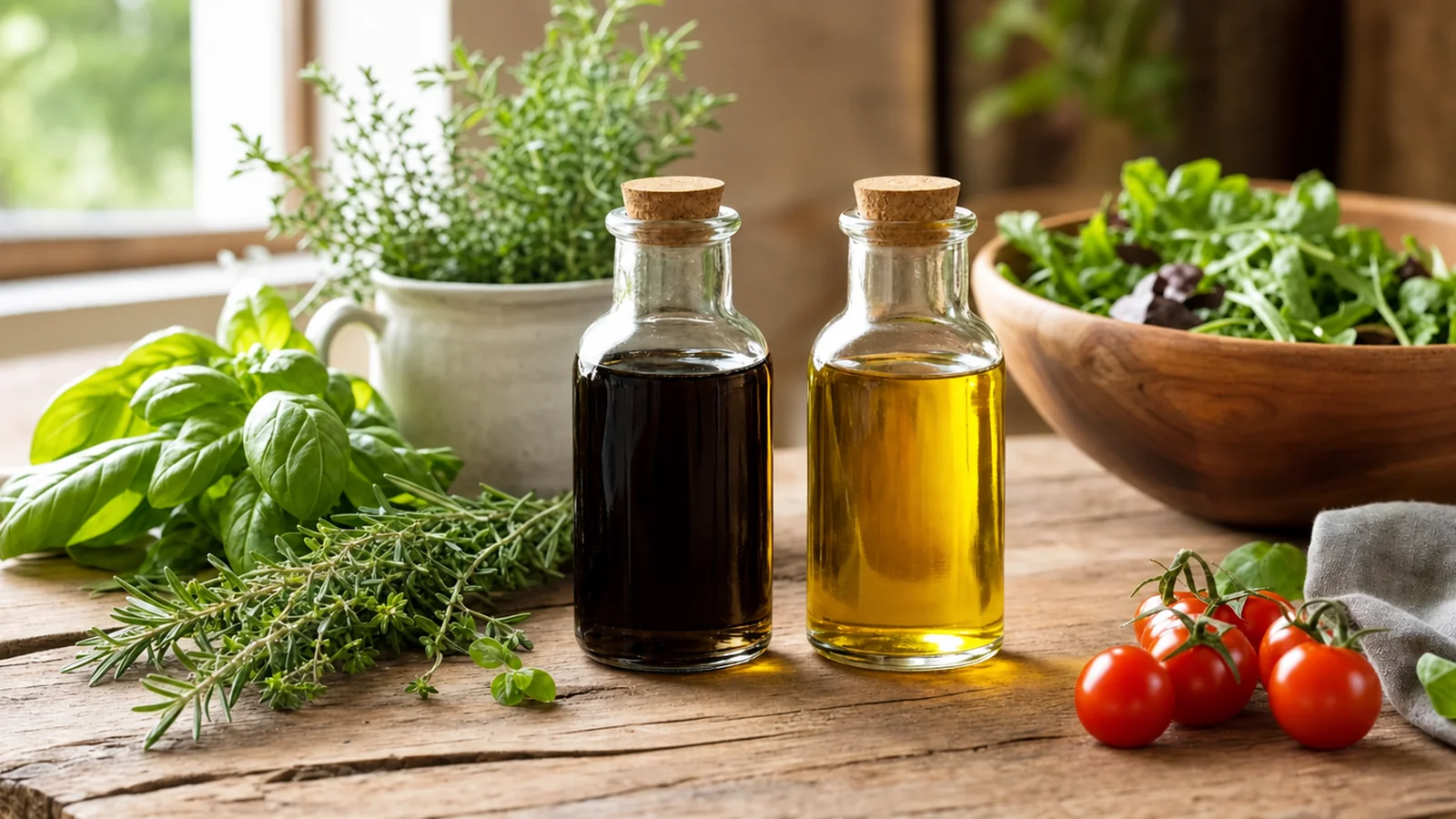
Where it shines is cold dishes. Salad dressings, dips, smoothies, drizzled over cooked vegetables, or mixed into hummus and pesto. That is where hemp seed oil belongs. Olive oil is more versatile in the kitchen — it can handle light sauteing, roasting, and gentle frying.
Which Oil Has Better Taste and Versatility?
Hemp seed oil tastes like nothing else. Nutty, earthy, with grassy undertones. It goes well with savoury dishes, salads, and cold preparations. Olive oil, by contrast, can be anything from mild and buttery to peppery and grassy, depending on the variety.
Olive oil works in more dishes. Simple reason: you can heat it or use it raw. Hemp seed oil is more specialised. It shines in recipes where its flavour complements rather than dominates, and where its nutritional profile adds real value.
Which Oil Is Better for Skin and Hair?
Both work, but differently. Hemp seed oil is non-comedogenic — it does not clog pores — and absorbs quickly. That makes it good for oily and acne-prone skin. Its high linoleic acid content helps support the skin barrier. Olive oil is more moisturising but can feel heavy on some skin types. It works better for dry skin and hair treatments.
How Long Does Hemp Seed Oil Last? Shelf Life Compared to Olive Oil
How long does it last? That depends on the oil. Hemp seed oil is high in polyunsaturated fats, which oxidise faster. An opened bottle typically lasts 3 to 6 months in a cool, dark place or fridge. Olive oil, with more monounsaturated fat, lasts longer — 12 to 18 months if stored properly.
For manufacturers, this means careful inventory management and the right packaging. Nordic Hemp supplies hemp seed oil in 1000L IBC barrels with nitrogen flushing to extend shelf life. The oil is produced fresh and shipped worldwide directly from the facility.
Can You Substitute Hemp Seed Oil for Olive Oil in Recipes?
Yes, in cold dishes. You can use hemp seed oil anywhere you would use olive oil raw — salad dressings, dips, drizzled over vegetables, or blended into pesto. The flavour will be nuttier and earthier, which works well with savoury dishes.
For cooking, though, it does not work. Hemp seed oil’s smoke point is lower and its fatty acids break down under heat. If a recipe calls for sauteing or roasting with olive oil, stick with olive oil or another heat-stable oil.
Hemp Seed Oil vs Olive Oil: Which Is Better for Food Manufacturing?
For food manufacturers, the choice depends on what you are making. Both oils have their strengths.
In cold preparations, hemp seed oil excels. Its omega-3 content adds nutritional value that olive oil cannot match. It works well in salad dressings, vinaigrettes, mayonnaise, pestos, dips, and cold sauces. The nutty flavour pairs with savoury products and plant-based formulations. For functional foods positioned around heart health or omega-3 content, hemp seed oil is the better option — olive oil cannot match its omega-3 profile.
Olive oil handles heat better. It is a natural fit for ready meals, soups, baked goods, and anything that goes through moderate heat treatment. Its longer shelf life and higher smoke point give it an edge in products that need thermal processing.
For plant-based dressings, dips, or sauces, hemp seed oil gives you a nutritional story that olive oil simply cannot tell. If heat stability or cost per litre matters more, olive oil is the practical choice.
Nordic Hemp supplies organic cold-pressed hemp seed oil in bulk (1000L IBC barrels) with EU Organic and BRCGS certification. View the product page for specifications or contact us for a sample. Shipping is available worldwide.
Frequently asked questions
Is hemp oil healthier than olive oil?
For omega-3 intake, yes — hemp seed oil has about 20g of ALA per 100ml versus less than 1g in olive oil. Olive oil contains more vitamin E and polyphenols. Both are healthy, but they serve different nutritional purposes.
Can you replace olive oil with hemp seed oil?
In cold applications like salad dressings and dips, yes. For cooking, no — hemp seed oil has a lower smoke point and is not suitable for heat.
Does hemp seed oil taste like olive oil?
No. Hemp seed oil has a nutty, earthy flavour, while olive oil is fruity, grassy, or peppery depending on the variety.
What is the best oil for omega-3: hemp or olive?
Hemp seed oil is significantly higher in omega-3 (ALA). Olive oil is not a meaningful source of omega-3.
Can you use hemp seed oil for frying?
No. Hemp seed oil’s smoke point is too low for frying. Use it raw or drizzled over finished dishes.
How should I store hemp seed oil?
Store in a cool, dark place or refrigerator. An opened bottle lasts 3 to 6 months. Keep the cap tightly closed to prevent oxidation.
Looking for hemp seed oil as an ingredient?
Nordic Hemp produces organic cold-pressed hemp seed oil in Estonia. EU Organic certified, BRCGS certified, available in bulk for manufacturers worldwide.
View product detailsSources
- Nordic Hemp — Organic Hemp Seed Oil product page (nutritional data, processing, certifications)
- NIH Office of Dietary Supplements — Omega-3 Fatty Acids fact sheet (ALA, EPA, DHA, dietary reference values)
- Harvard Health — Omega-3 fats and your heart (ALA and cardiovascular health)
- USDA Agricultural Marketing Service — Olive oil grades and standards (extra virgin olive oil classification)