Hemp Seed Oil in Food Manufacturing: Applications and Formulation Guide
Last updated: September 22, 2026
What if one ingredient could put a real omega-3 claim on your label and a clean, plant-based story behind it? That’s what food manufacturers keep asking about hemp seed oil. We’ll walk you through where cold-pressed hemp seed oil fits — in dressings, dips, and plant-based bases — and what to check before your first bulk order.
Hemp seed oil works best in cold applications: salad dressings, dips, cold sauces, and plant-based products, where its omega-3 content and 3:1 omega-6 to omega-3 ratio become a label-ready claim. Cold-pressed organic oil keeps its full nutritional value and lasts 18 months from packaging. Refined oil trades some of that nutrition for neutral taste and heat stability, which matters only if your process involves heat. For most premium, clean-label products, cold-pressed is the stronger choice.

Why Food Manufacturers Are Adding Hemp Seed Oil
Consumer demand for plant-based, clean-label foods keeps growing. Hemp seed oil fits that shift neatly. It brings something few other plant oils can: a meaningful omega-3 content plus a 3:1 omega-6 to omega-3 ratio that is widely considered close to ideal for human nutrition.
Most vegetable oils are heavy on omega-6 and almost empty on omega-3. Hemp seed oil is different. Roughly 20% of its fat is alpha-linolenic acid (omega-3, ALA), with 55-60% linoleic acid (omega-6). That combination supports omega-3 claims on packaging, which is why you see it in functional foods, plant-based sauces, and nutrition bars. The fat profile carries the selling story.
Is Hemp Seed Oil Safe to Use in Food Products?
In the United States, hemp seed oil is generally recognized as safe (GRAS) for use in food. FDA reviewed GRAS Notice No. 778 and accepted it, covering use in prepared foods, dressings, sauces, soups, smoothies, dairy product analogs, spreads, and more at levels of 1-15%.
In the European Union, hemp seed oil is a food ingredient in its own right. Our oil is grown from registered varieties, cold-pressed in a BRCGS Food Safety certified facility, and compliant with EU food law. THC levels stay far below the EU limit of 3 mg/kg. Unlike CBD oil, hemp seed oil has little to no CBD content.
Cold-Pressed vs Refined: What Manufacturers Need to Know
This is the decision that shapes everything else. Get it right from the start.
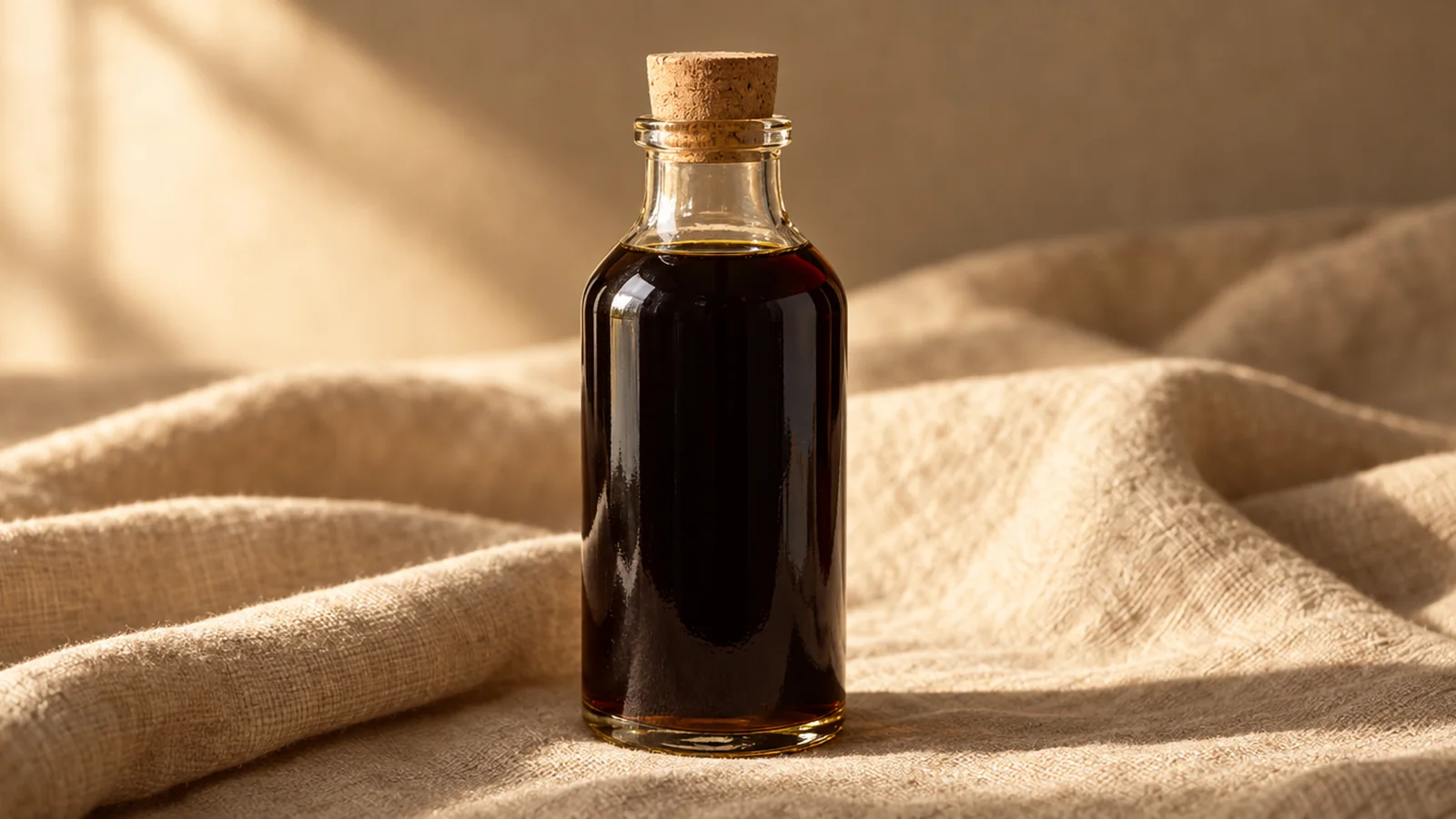
Producers press the seeds mechanically at low temperature, with no chemical solvents and no high-heat deodorisation. What you get keeps the full fatty acid profile, natural antioxidants, and a pleasant nutty taste. The trade-offs: a strong flavour that won’t disappear in your product, and a lower smoke point of around 165°C (330°F), so it belongs in cold or moderately warm applications only.
Refining goes further, removing colour, flavour, and odour. It becomes neutral-tasting, lighter in colour, and more resistant to oxidation, which extends its practical shelf life and allows some heat exposure. The cost is nutritional: refining strips antioxidants and some of the delicate fats that make hemp seed oil interesting in the first place.
| Property | Cold-Pressed Hemp Seed Oil | Refined Hemp Seed Oil |
|---|---|---|
| Flavour | Nutty, characterful | Neutral |
| Colour | Deep green | Light golden |
| Smoke point | ~165°C (330°F) | ~200°C (approx.) |
| Nutritional value | Full fatty acid + antioxidant profile | Partially reduced |
| Best for | Dressings, dips, cold sauces, premium positioning | Products needing neutral taste and heat tolerance |
What Is the Shelf Life of Hemp Seed Oil?
Nordic Hemp’s cold-pressed organic oil keeps for 18 months from packaging when stored properly. Our product page spells it out: keep cool and dry, protected from sunlight, and away from walls.
Here’s why storage matters: hemp seed oil is rich in polyunsaturated fats, which are sensitive to heat, light, and oxygen. Sealed containers, low warehouse temperatures, and first-in, first-out rotation go a long way. Once the oil is blended into a finished product, shelf life depends on your formulation, packaging, and antioxidant system. Run stability tests on the finished product, not just on the raw oil.
Where Hemp Seed Oil Fits in Your Product Line
Cold-pressed hemp seed oil isn’t a universal oil. It shines in some applications and should be avoided in others.
| Application | Suitability | Why |
|---|---|---|
| Salad dressings & vinaigrettes | Excellent | Adds omega-3 positioning and a premium nutty flavour |
| Dips, hummus, pesto | Excellent | Flavour and nutrition both add value |
| Plant-based sauces | Excellent | Clean label, genuine omega-3 claim possible |
| Functional foods & bars | Good | Fat profile supports nutritional claims; flavour must fit |
| Bakery products | Not recommended | Heat degrades the delicate fatty acids |
| Frying | Not suitable | Smoke point too low, oil oxidises quickly |
A common approach is to blend. Many manufacturers use hemp seed oil at 5-15% of the oil phase, enough to earn an omega-3 claim and a “made with hemp seed oil” line on the label without letting the flavour dominate. Start small, taste-test, adjust.
What Certifications Should a Hemp Seed Oil Supplier Have?
Certifications are how you verify quality before the oil ever reaches your dock. They’re your first filter. At minimum, look for:
- EU Organic certification (or equivalent for your market): Nordic Hemp holds EU Organic grade EE-ÖKO-03
- BRCGS Food Safety certification, the global standard for food safety management
- Non-GMO and vegan statements
- Laboratory test results covering fatty acid profile, peroxide value, and purity
- Full traceability from field to shipment
We grow our hemp on over 5,000 hectares of Estonian farmland, cold-press the oil in our own facility, and ship to food manufacturers worldwide. Because we control the whole chain, from soil testing to the finished oil, you get consistent quality and complete documentation.
Bulk Sourcing: What to Ask Your Supplier
We supply bulk hemp seed oil in 1000-litre IBC containers, with EU Organic certification, batch-specific test results, and BRCGS Food Safety certified production. Shipping is worldwide, and our sales team can share specifications and arrange samples before you commit to volume.
When you compare suppliers, ask for three things: a current Certificate of Analysis, the exact fatty acid profile, and the storage requirements. A supplier who can answer all three quickly is a supplier who tests every part of the process.
Can You Cook with Hemp Seed Oil?
Not in the usual sense. That low smoke point means hemp seed oil breaks down under sustained heat, losing nutritional value and turning bitter. Use it raw instead: drizzle it over finished dishes, blend it into cold sauces, or stir it in after cooking. Think of it as a finishing oil, not a frying oil.
Is hemp seed oil the same as CBD oil?
No. Hemp seed oil is made by cold pressing the seeds and has little to no CBD content. CBD oil is extracted from the plant’s flowers and leaves. The two are completely different products with different regulations.
Can hemp seed oil be heated?
Only gently. Cold-pressed hemp seed oil has a smoke point of about 165°C (330°F). Sustained heat degrades the omega-3 fatty acids and creates a bitter taste. Use it raw or add it after cooking.
How long does bulk hemp seed oil last?
18 months from packaging when stored cool, dry, and away from sunlight. In finished products, shelf life depends on your formulation and packaging. Always run stability testing.
Is hemp seed oil an allergen?
Hemp seeds are not a common allergen and are not tree nuts. Nordic Hemp’s oil is vegan, gluten-free, and produced in a facility that avoids cross-contamination.
How much hemp seed oil can I use in a product?
There is no fixed limit. FDA GRAS Notice 778 covers use at 1-15% of food products. In practice, many manufacturers start at 5-10% of the oil phase, enough for a nutritional claim without letting the flavour dominate.
Looking for bulk hemp seed oil for your products?
Nordic Hemp supplies cold-pressed, EU Organic-certified hemp seed oil in 1000-litre IBC containers to food manufacturers worldwide.
View product details