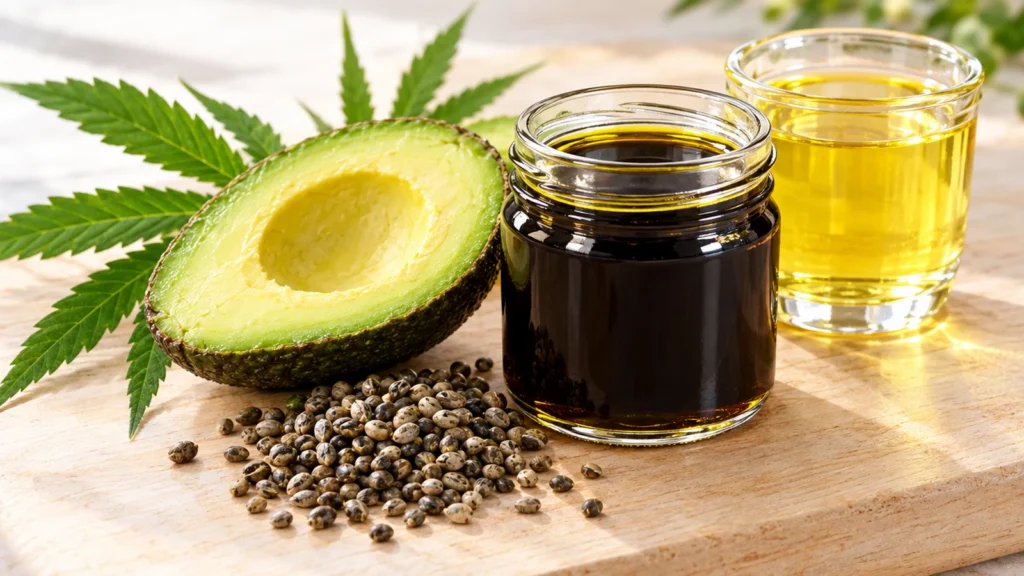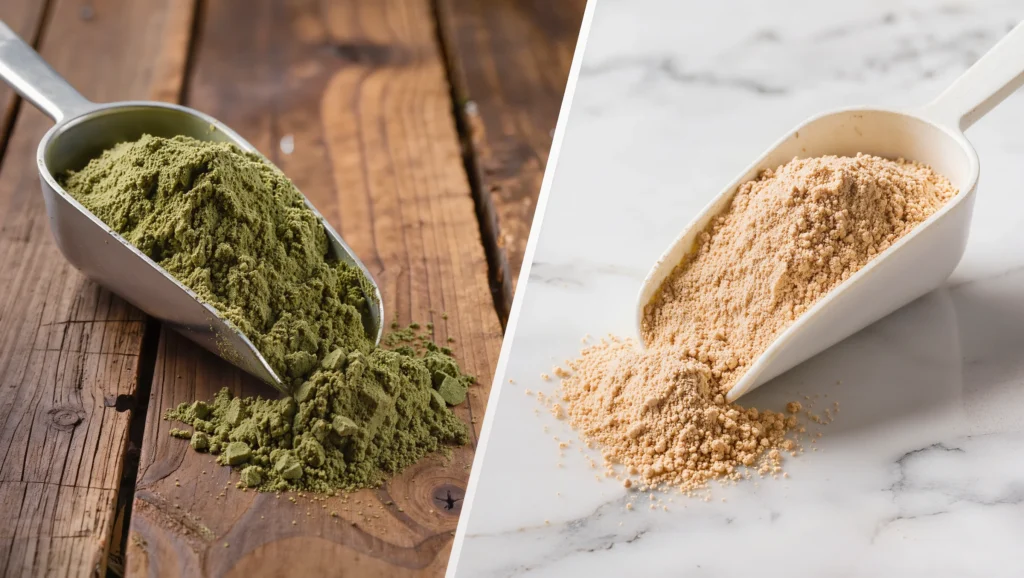
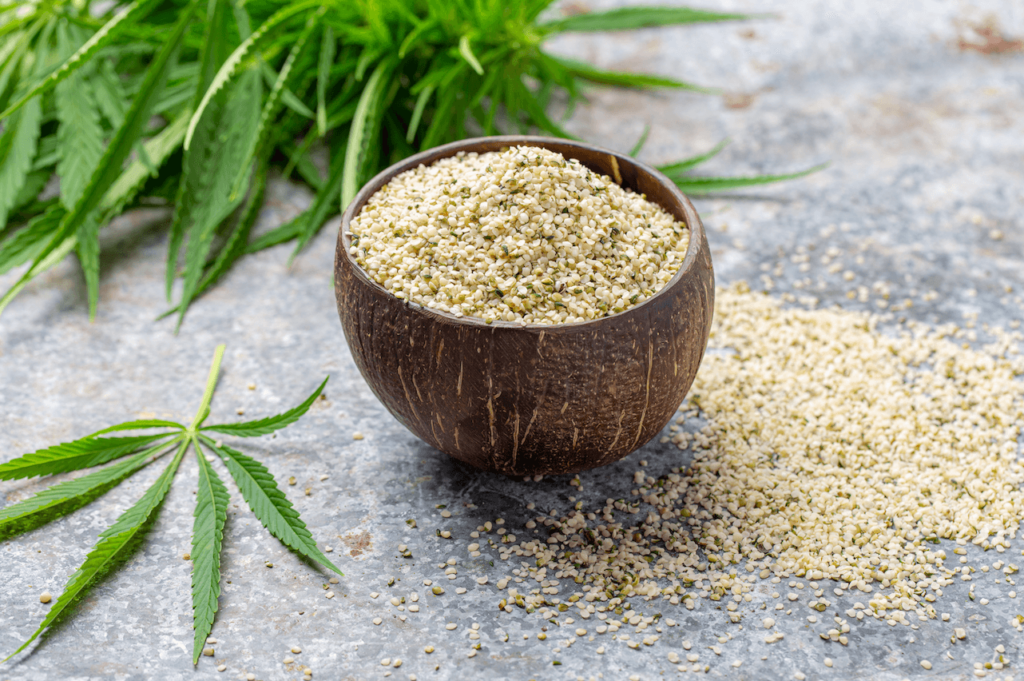
What are hemp hearts and what makes them so healthy?
Hemp hearts have been used as a staple food for thousands of years. They are full of valuable ingredients and an excellent superfood for athletes, vegetarians, vegans, and anyone who wants to level up their diet. This article explains what hemp hearts are, why they are so healthy, and where they actually come from.
Hemp hearts are the soft inner kernel of the hemp seed. Each 100g provides 34g protein, all 9 essential amino acids, and a 3:1 omega-6 to omega-3 ratio. A 30g daily serving supports heart health, skin, and digestion. Not psychoactive, and safe for most people, including those with tree nut allergies.

Sander Kuusk
Written by · Head of Marketing
Oversees marketing and product communication at Nordic Hemp Cooperation since 2020. LinkedIn

Joonas Põllumäe
Reviewed by · Raw material quality manager
Trained horticultural scientist. Confirmed the quality specifications and processing parameters on this page. LinkedIn
What are hemp hearts?
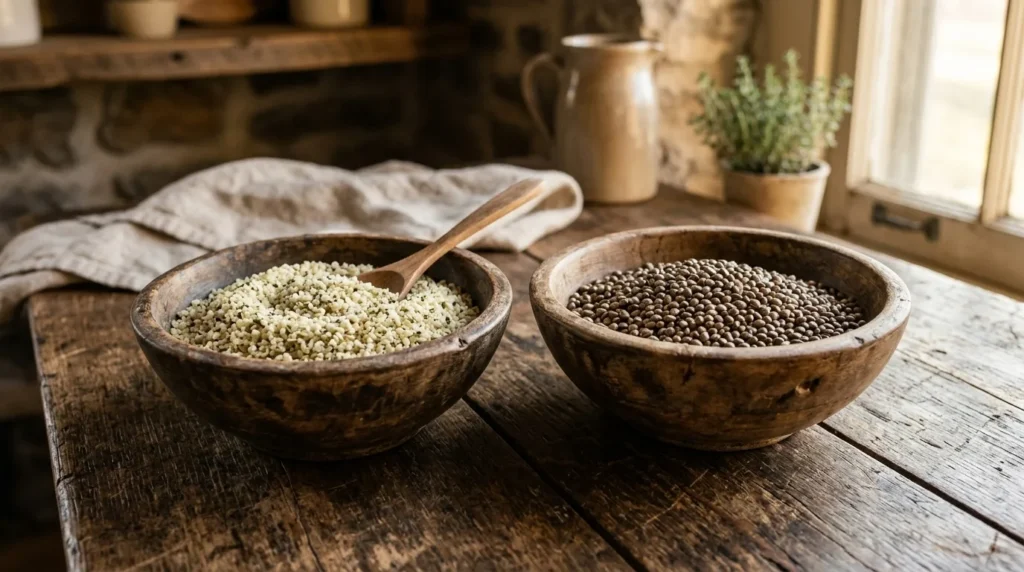
Hemp hearts, also known as hemp nuts or hulled hemp seeds, are dehulled hemp whole seeds. They are hulled to bring out all the valuable ingredients.
In a gentle hulling process, the seeds are separated from the shell so that only the small and soft kernels remain.
We use a gravity board to sort out hemp shells and empty seeds. That is a crucial process to ensure the best quality and purity in our end products.
Once the hemp hearts are cleaned several times, they enter the optical sorter, where they get the final cleaning. The optical sorter cleans out everything that is left. It can recognize objects by colour, size, and shape. Our sorter compares objects to user-defined accept/reject criteria to identify and remove defective pieces and foreign materials from the raw materials. As a result, we are able to provide hemp hearts with the purity of 99,9%. For a full comparison of hemp hearts vs whole hemp seeds, see our guide on hemp hearts vs hemp seeds.
Where do our hemp hearts actually come from?
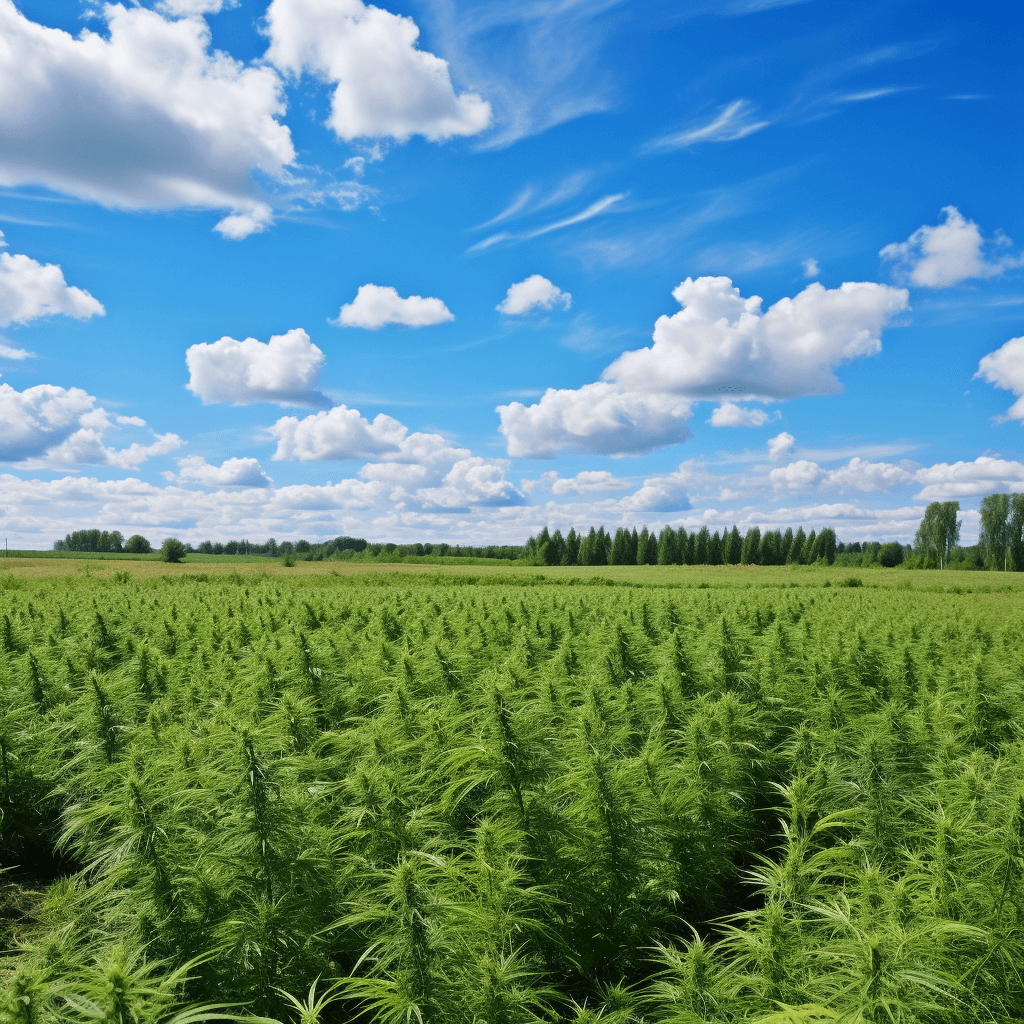
Hemp hearts do not start in a factory. They start in a flower. On a hemp plant, the seed forms inside a small green bract, and the kernel you eat sits behind a hard outer shell that has to come off. Everything we do after that is about keeping that kernel intact.
Nordic Hemp Cooperation was founded in 2017 by five Estonian hemp farmers. We now have 5,000 hectares under contract and export to 26 countries, with Germany as our largest market. Every gram of seed that arrives at our plant goes through the same gate.
“You cannot tell a ripe hemp seed from the outside. The plant stays green even when the seed inside is ready. You have to open the flower and look at the kernel itself.”
Joonas Põllumäe, raw material quality manager at Nordic Hemp. Watch him explain hemp seed quality at our 2026 growers’ day →
What does a ripe hemp seed look like inside the flower?
This is the part most articles leave out. Joonas judges whether a crop is ready by opening the flower by hand and looking at the seed behind the bract. If the kernel is full and firm, the seed is ripe. If it is still soft, the plant needs more days. The plant itself will not tell you: unlike wheat or barley, hemp stays green right up to harvest.
Watch where hemp hearts come from. Farmer Tõnis Saaval opens a female hemp flower at 1:09 and lifts out a ripe seed. What sits inside is the hulled kernel we sell as hemp hearts. The clip is in Estonian, and what matters is what you see.
What you see in that clip is the whole story. The flower opens, the seed comes away easily from the bract, and inside is a pale green kernel. That kernel is the hemp heart. From that moment on we only clean, sort, dry and pack it. Nothing is added and nothing is removed.
Our farmers judge readiness the same way. Around 80% of the flowers should hold a ripe seed before the combine goes in. Seeds ripen from the bottom of the plant upwards, so waiting for the top means losing the bottom to the ground or to birds. Getting that window right is the difference between a clean batch and a rejected one. We document the whole first season in our first-year hemp growing case study.
Watch how those seeds become hemp hearts in our Estonian factory
This shows the de-hulling process at our Estonian facility. Whole hemp seeds enter the machine, where they are gently cracked and the hard outer shell is separated from the soft inner kernel. The resulting hemp hearts are then cleaned, optically sorted, and packed for shipment to food manufacturers across Europe.
How do we decide a batch is good enough for food?
Quality is decided long before the seed reaches a shelf. Every incoming batch passes through our Mustvee warehouse for quality control before it is allowed into the Vahi processing plant. These are the checks it goes through.
What we check, and why it matters
- Moisture 6 to 9%. The drying target is 8%. Damp seed left in a trailer overnight means yeast, mould and bacteria.
- Drying temperature never above 45 to 50 °C. Above 50 °C the seed shell cracks, oxygen reaches the kernel and oxidation begins. This is the root cause of rancid oil.
- Indirect-fired dryer only. Combustion gases never touch the seed.
- Micro-dehulling test and colour check on each incoming lot. Our optical sorter runs at 300 to 600 kg per hour.
- PAH sum below 10. Above that the batch cannot go into food. Samples are sent to an independent laboratory in Germany.
- THC under 3 mg/kg in the finished product. We test hulled seed, oil and protein separately.
- Storage below 15 °C, away from light. Hemp hearts are high in oil and protein, so they go rancid faster than whole seed and need the cold.
Hemp hearts ship in 25 kg bags, 30 bags per pallet (750 kg). Cold-pressed and refined hemp seed oil ship in 1000 L IBC containers. We ship worldwide.
These are our own operating parameters, not industry averages. They are why we can sell hemp hearts for food manufacturing rather than for feed.
We do not treat these as a one-off check. Soil is tested before we plant, samples are taken regularly through the season, and each lot is tested by an independent laboratory before it leaves. Our production is EU Organic certified (EE-ÖKO-03) and BRCGS certified. For the handling rules our customers work to, see our guide on hemp hearts shelf life, storage and packaging.
What makes hemp hearts so healthy?
Hemp hearts are a superfood. The reason for this is their high nutritional value.
They are rich in omega-3, omega-6 and omega-9 fatty acids and plant-based protein. Also, they contain all the essential amino acids, offer high levels of vitamins B1, B2, and E, calcium, magnesium, potassium, and iron. These vitamins and minerals are important for a balanced diet and help support your body for healthy digestion.
Therefore, hemp hearts are an ideal source of protein and an excellent food supplement for a healthy diet. For a detailed breakdown of the protein content, see our guide on how much protein is in hemp hearts.
Nutritional information of hemp hearts
Typical quantity per 100 g product
| Energy | 2459 kJ / 575 kcal |
| Fat | 48,2 g |
| Carbohydrates | 5-7 g |
| Moisture | 6,5-8 % |
| Protein | 34 g |
| Salt | 0,003 g |
| Standard serving | 30 g |
| In tablespoons | 3 tbsp |
| Protein per serving | ~10 g |
| Omega-3 per serving | ~3 g |
| Calories per serving | ~170 kcal |
What do hemp hearts taste like?
Hemp hearts have a mild, nutty flavour and a soft, creamy texture. They are often compared to sunflower seeds or pine nuts but with a softer bite. The taste is subtle enough to blend into both sweet and savoury dishes without overpowering other ingredients.
How to use hemp hearts?
Hemp hearts are a real powerhouse you can add to every meal and snack. They have a sweet and nutty taste that goes well with many dishes. Hemp hearts are often compared with sunflower seeds but with a much softer texture. For food manufacturers, we have a dedicated hemp hearts ingredient guide covering formulation and best uses.
Since they are full of plant energy from proteins and healthy fats, they are the perfect start to your day. They enrich your cereal, your porridge, or your breakfast smoothie. If you want to avoid dairy milk in your morning coffee, you can make hemp milk out of them.
They can serve you as a raw snack for the small appetite or as a power-charge between a workout.
And they are also a good alternative for sugar or salt on your popcorn. For vegetarians and vegans, they can be a great meat alternative on burgers or a healthy topping for salads.
Hemp hearts also make a good base for bread, cakes, and pastries. The opportunities are endless.
Two ways to use hemp hearts every morning
Tip #1: Let them swell overnight in natural yoghurt together with oat flakes. It’s like overnight oats but pimped up. This way, they are extra mild and nutty in the morning.
Tip #2: Mix them with fresh or dried fruit. The hemp hearts enhance the taste of the fruit and will make it a real fruit explosion in your mouth.
6 health benefits of hemp hearts
Here are six reasons to add hemp hearts to your diet.
| 1. High-quality complete plant protein | If you are vegan or an athlete who needs a lot of protein, you get the typical question: Where to get your protein? You need protein to supply your body with essential amino acids to build muscles, bones, skin, hair, and nails. Your body cannot produce those amino acids itself. Hemp hearts can be a great answer to that. For every 100g of hemp hearts, you get around 34g of protein. In comparison: chicken breast has only around 20g of protein per 100g. Hemp hearts therefore make a good alternative to animal protein. For the full amino acid profile, see our hemp hearts protein guide. |
| 2. Optimal omega-6 to omega-3 ratio | The superpower of hemp hearts comes from the amount of essential fatty acids. They consist of 30% fatty acids: alpha-linolenic acid (omega-3) and linoleic acid (omega-6). The proportion of omega-6 fatty acids to omega-3 fatty acids in hemp hearts is 3:1, a ratio that nutrition research considers favourable for human health. That can hardly be found in any other plant. These acids support your heart health. The healthy fats also help maintain the normal brain function, vision, and a healthy blood pressure. |
| 3. Antioxidant and anti-inflammatory properties | Hemp hearts contain antioxidants such as vitamin E and phenolic compounds. These protect cells from oxidative damage. The gamma-linolenic acid (GLA) found in hemp seed oil has been studied for its anti-inflammatory effects (PubMed). |
| 4. Supports heart health | Hemp hearts are rich in arginine, an amino acid that helps blood vessels relax. A randomised, placebo-controlled study found that L-arginine lowered blood pressure in humans through increased nitric oxide (PubMed). The 3:1 omega ratio also helps keep cholesterol in check. |
| 5. Promotes healthy skin | The GLA (gamma-linolenic acid) in hemp hearts supports the skin barrier, the thing that keeps moisture in and irritants out. Vitamin E adds antioxidant protection. A 20-week randomised crossover study in patients with atopic dermatitis found that dietary hempseed oil improved skin dryness and itchiness (PubMed). |
| 6. Aids digestion and gut health | Hemp hearts are easy to digest because the hard shell is already removed. They have both soluble and insoluble fibre, so your digestion stays regular. The magnesium helps relax the digestive tract. And unlike many seeds, hemp hearts are low in phytic acid, so your body can actually absorb the minerals. |
Can you get high from hemp hearts?
That’s a question that often occurs in connection with hemp products.
Both hemp and cannabis contain THC and other cannabinoids. The legal difference between them is the level of psychotropic substances, and in the EU that limit is set by regulation. THC, or delta-9-tetrahydrocannabinol, is the compound that gets you high. CBD (cannabidiol) is non-intoxicating and found in the hemp plant. It is an extract from the female plant that is a popular dietary supplement.
Cannabis contains more THC than CBD. Hemp contains more CBD than THC.
Hemp hearts are made from plants from which the narcotic tetrahydrocannabinol (THC) has almost completely been bred out. All our products have low THC levels that are below the standard. Our products do not make you high, and you can add them to your diet without hesitation.
Can allergy sufferers eat hemp hearts?
Another great thing about hemp hearts is that they are a good alternative for allergy sufferers.
Do you have a nut allergy but don’t want to miss the flavour? Those allergic to seeds and nuts will enjoy the hemp hearts’ nutty flavour and can use hemp seed-derived protein as a safe alternative.
Are there any side effects of hemp hearts?
Hemp hearts are safe for most people. But here are a few things to keep in mind.
Start slow. If you are not used to a lot of fibre, eating too many hemp hearts at once can cause bloating. Start with 1-2 tablespoons and go from there.
Watch the calories. Hemp hearts are nutrient-dense, 575 kcal per 100g. Stick to the 30g serving if you are watching your weight.
Check with your doctor if you take blood thinners. Hemp hearts contain vitamin K, which can interact with anticoagulant medication. For most people, hemp hearts are a safe and nutritious addition to a balanced diet. The trace levels of THC (under 3 mg/kg) are far below any psychoactive threshold.
Our hemp varieties: Estica and RAK
It matters more than most buyers expect. We grow and contract Estica, our own Estonian variety, and RAK, for which Nordic Hemp is the official European representative.
Estica was bred for seed, not for fibre. Around 95% of the seed is larger than 3 mm, which means a higher share survives hulling, and oil content reaches up to 35%. It is frost-tolerant, so it suits the Nordic growing season.
Variety also decides whether a batch can be sold at all. THC concentrates into the oil when the seed is pressed. That is why variety choice is critical for oil and less critical for hearts. With Finola, a variety that is still popular, THC can rise above 3 mg/kg in dry years as a stress response. When that happens, we do not buy the crop back. You can read more about our seed varieties on our RAK variety page and our sowing seed page.
Demand for hemp hearts is still growing
Our CEO Ardi Oja tracks this closely. US demand for hemp seed grew sharply over three to four years, and most of that supply came from Canada, the world’s largest grower. Recent US tariffs on Canadian goods made Canadian hemp more expensive for US buyers, so more of them started looking at European suppliers.
Hemp seed has held a notably stable cost. The 2022 rise and the 2023 drop barely moved it, and organic has been steadier than conventional. We work on a pre-contract model: seed is committed to growers in spring with terms fixed in advance, and we buy additional volume on the open market when we need it.
Frequently asked questions about hemp hearts
What are hemp hearts exactly?
Hemp hearts are the inner kernel of the hemp seed, with the hard outer shell mechanically removed. They are also called hulled hemp seeds or hemp nuts. The shell removal concentrates the protein and fat content.
How much protein do hemp hearts have?
Hemp hearts contain approximately 34g of protein per 100g. The protein is complete, meaning it contains all nine essential amino acids that the human body cannot produce on its own. This is rare among plant-based protein sources.
Can you get high from eating hemp hearts?
No. Hemp hearts are made from hemp varieties that contain only trace amounts of THC, well below any psychoactive level. They are safe to eat and do not produce any intoxicating effects.
Are hemp hearts safe for people with nut allergies?
Hemp seeds are not tree nuts. They are a seed, related to the cannabis plant family. Most people with tree nut allergies can safely eat hemp hearts. Anyone with specific concerns should consult their doctor.
What is the shelf life of hemp hearts?
Hemp hearts have a shelf life of 24 months when stored in unopened, sealed packaging. Once opened, they should be kept in a cool, dry place away from direct sunlight. Refrigeration can extend freshness after opening. For food manufacturers, we have a detailed guide on hemp hearts shelf life and storage.
Where do hemp hearts come from?
Nordic Hemp grows its hemp on Estonian farmland, using Estica, RAK and Finola varieties. The seeds are harvested, dehulled, and processed at the company’s facility in Estonia. All production is EU Organic certified (EE-ÖKO-03) and BRCGS certified. For a detailed comparison of organic vs conventional, see our organic vs conventional hemp hearts guide.
Is it good to eat hemp hearts every day?
Yes, eat them every day if you like. A 30g serving covers a good chunk of your daily protein, omega-3, and mineral needs. Your heart, skin, and digestion will thank you. There is no risk in eating hemp hearts daily in normal amounts.
How many hemp hearts should I eat per day?
About 30g, that is 3 tablespoons or a small handful. It gives you roughly 10g of protein, 14g of healthy fats, and 170 calories. Sprinkle it on porridge or yoghurt, toss it on a salad, or blend it into a smoothie.
What is better, chia seeds or hemp hearts?
Depends on what you need. Hemp hearts have more protein (34g vs 17g per 100g) and a better omega ratio (3:1 vs 1:3). Chia seeds have more fibre and turn into a gel in liquid. If you want protein and healthy fats, go with hemp hearts. For a full comparison, see our guide on hemp hearts vs chia seeds vs flax seeds.
Nordic Hemp offers high-quality hemp seeds
In 2018 we built a production facility capable of sorting, de-hulling and oil pressing. It is one of the biggest de-hulling facilities in Europe, with zero-waste production.
One of our key strengths is the supply of raw materials. All the raw materials we use in our production have been processed by ourselves. That means our production cycle begins the second the sowing seeds hit the soil.
From soil and harvest to processing, storage, and transport, we strive to provide only the finest, purest, and most ethically sourced hemp on earth. Every gram of incoming seed is processed into finished food ingredients. We do not resell raw seed.
If you are interested in our products, have a look at our product page or contact us. For bulk sourcing information, see our bulk hemp hearts sourcing guide and EU organic hemp hearts sourcing guide.
Ready to source premium organic hemp hearts?
EU Organic certified · BRCGS certified · Grown and processed in Estonia
Request a quote → View product- House, J. D., et al. (2010). “The protein quality of hemp (Cannabis sativa L.) seed.” Journal of Agricultural and Food Chemistry, 58(22), 11801-11807. PubMed
- Callaway, J. C. (2004). “Hempseed as a nutritional resource: An overview.” Euphytica, 140(1), 65-72. Springer
- Rodriguez-Leyva, D., & Pierce, G. N. (2010). “The cardiac and haemostatic effects of dietary hempseed.” Nutrition & Metabolism, 7, 32. PubMed
- Nordic Hemp product specification, hemp hearts. Nordic Hemp
- Calles-Escandon, J., et al. (1996). “The hypotensive effect of L-arginine is associated with increased expired nitric oxide in humans.” American Journal of Hypertension. PubMed
- Callaway, J. C., et al. (2005). “Efficacy of dietary hempseed oil in patients with atopic dermatitis.” Journal of Dermatological Treatment, 16(2), 87-94. PubMed